
Quick Summary
To choose heavyweight sweatpants for men, check the fabric first: look for thicker, denser knit that feels substantial and holds its shape. Then measure a pair you already like at the waist, rise, thigh, inseam and leg opening, and compare those numbers to the brand's chart rather than the size label.
- Heavyweight sweatpants have thicker fabric and a denser knit that hangs with weight.
- Use GSM only to compare pairs listed the same way, since no single number defines heavyweight.
- Cotton fleece is the warmest option but can pill in high-friction spots like the inner thigh.
- Measure waist, rise, thigh, inseam and leg opening, then compare to the brand's published measurements.
- Size up if you plan to layer or want a relaxed fit, and wash cold and hang dry to limit shrinkage.
Table of Contents
- What Makes Sweatpants Heavyweight?
- Understanding Heavyweight Sweatpants GSM
- Choosing Cotton Sweatpants for Men by Fabric Type
- Getting the Heavyweight Sweatpants Fit Right
- Why Baggy Heavyweight Sweatpants Work for Many Dads
- Waistband, Leg Opening, Pockets and Construction Details
- Pick Your Next Pair and Start Wearing Them Right
- Frequently Asked Questions
How to Choose Heavyweight Sweatpants for Men
Last Updated: November 7, 2026
Heavyweight sweatpants are the kind of gear you reach for every day, so the choice matters. Built By Dad knows that busy dads want clothes that work hard and feel good after a long day. Here is how to pick a pair that fits your body, your routine, and your budget.
A heavyweight sweatpant is usually made from thicker knit fabric that feels substantial and holds its shape. The fabric is the first thing to check.
What Makes Sweatpants Heavyweight?
Heavyweight sweatpants have thicker fabric, a denser knit, and a warmer, more structured feel than lightweight joggers. You notice it right away when you pull them on. They hang with weight instead of clinging.
Look at the label and product page for fabric details. Ask: How thick is the knit? What is the fiber content? Does the brand say how the fabric is made?
Understanding Heavyweight Sweatpants GSM
GSM stands for grams per square meter. It measures how much fabric is in a square meter, so a higher number usually means a denser, heavier material.
GSM is a useful way to compare fabric weight. There is no single GSM number that defines "heavyweight" for every brand. Use GSM as a comparison tool between pairs you are actually considering.
- Compare numbers only between products listed in the same way
- Check whether the brand publishes a GSM figure at all
- Remember that thickness and construction matter as much as the number
Choosing Cotton Sweatpants for Men by Fabric Type
Fabric type is where most heavyweight sweatpants decisions are actually won or lost. Two pairs can both say "heavyweight cotton" and feel completely different in your hands, on your legs, and after ten washes. Here is how the main options compare, and what each one is actually good at.
Cotton fleece is brushed on the inside, which is why it feels soft and traps warmth. The brushing also means it can pill faster in high-friction spots like the inner thigh and seat. It is the warmest common option and a strong pick for cold-weather lounging, early morning driveway shoveling, and sideline coaching in late fall.
French terry has visible loops on the inside instead of a brushed pile, and it drapes with a cleaner line.
Fiber blends: 100% cotton versus cotton-poly
A common pattern among guys who wear sweatpants hard: choose higher cotton content for comfort and breathability, and accept a modest poly share if you want the pair to survive years of washing without turning into capris. If you run hot or sweat easily, lean cotton. If you want low-maintenance and shape retention, lean blend.
Fleece versus French terry: a quick decision rule
- Choose fleece if warmth is the priority and the pants are mostly for cold rooms, cold mornings, and rest days.
- Choose French terry if you want breathability, a cleaner drape, and a pair that works across lounging, travel, and light training.
- Choose jersey only if you specifically want a light, stretchy layer.
Weight alone does not tell you how a fabric will behave, so look at the knit construction as well.
Getting the Heavyweight Sweatpants Fit Right
Heavy fabric behaves differently from thin fabric: it holds its shape, drapes with weight, and can feel stiffer through the seat and thighs until it breaks in. That means you cannot size heavyweight sweatpants the same way you size a pair of lightweight joggers. Use this repeatable method instead of guessing.
Step 1: Measure a pair you already like
Lay flat a pair of sweatpants that fits the way you want your new ones to fit, and measure these five points with a tape measure:
- Waist: across the top of the waistband, edge to edge, then double it.
- Rise: from the crotch seam straight up to the top of the waistband. This tells you whether the pants sit at your natural waist or lower.
- Thigh: across one leg, just below the crotch seam, then double it.
- Inseam: from the crotch seam down the inside of the leg to the hem.
- Leg opening: across the bottom hem, edge to edge, then double it.
Write those five numbers down. They are your target, and they are far more reliable than a generic size label.
Step 2: Compare against the brand's size chart, carefully
Most size charts list waist and inseam only. If the brand publishes a garment measurement chart (sometimes called "flat measurements" or "product measurements"), use it, it maps directly to the numbers you just took. If it does not, compare your target numbers to the waist and inseam on the chart, then read the fit description to infer rise and leg opening.
Watch out: brands measure inconsistently. One brand's "medium" waist can be two inches wider than another's. Always trust the published measurements over the size letter.
Step 3: Account for shrinkage
Heavy knits can shrink after hot washes and dryer cycles, so washing cold and hanging dry helps keep the fit. If you are between sizes and want a relaxed fit, size up.
Step 4: Match the fit to how you will wear them
- Lounging and rest days: a relaxed cut with a little extra room through the thigh and seat.
- Coaching, errands, and travel: a tapered leg that stays clean at the ankle and does not drag.
- Training and active days: a jogger with a cuffed hem that stays put and does not catch on equipment.
- Layering over shorts or base layers: size up one step so the heavy fabric does not bind.
Step 5: Check the details that affect fit
Check the waistband, hems, pockets and seams before you buy, since these details affect how the pants fit and wear.
Fit is personal, but it is not mysterious. Measure, compare, plan for shrinkage, and match the cut to your routine, and you will get a pair that fits the way you actually live.
Measure a pair you already like, then compare those numbers against the brand's chart.
| Measurement | How to take it | Why it matters |
|---|---|---|
| Waist | Edge to edge across the top of the waistband, then double it | Sets the core fit |
| Rise | Crotch seam straight up to the top of the waistband | Shows whether pants sit at natural waist or lower |
| Thigh | Across one leg just below the crotch seam, then double it | Controls room through the seat and legs |
| Inseam | Crotch seam down the inside of the leg to the hem | Sets the length |
| Leg opening | Across the bottom hem, edge to edge, then double it | Determines how the hem fits over shoes |
Why Baggy Heavyweight Sweatpants Work for Many Dads
Baggy fits give you room to move, and they feel comfortable over a long day. For many dads, a relaxed or baggy cut is the most practical choice for household tasks, sports with the kids, and rest.
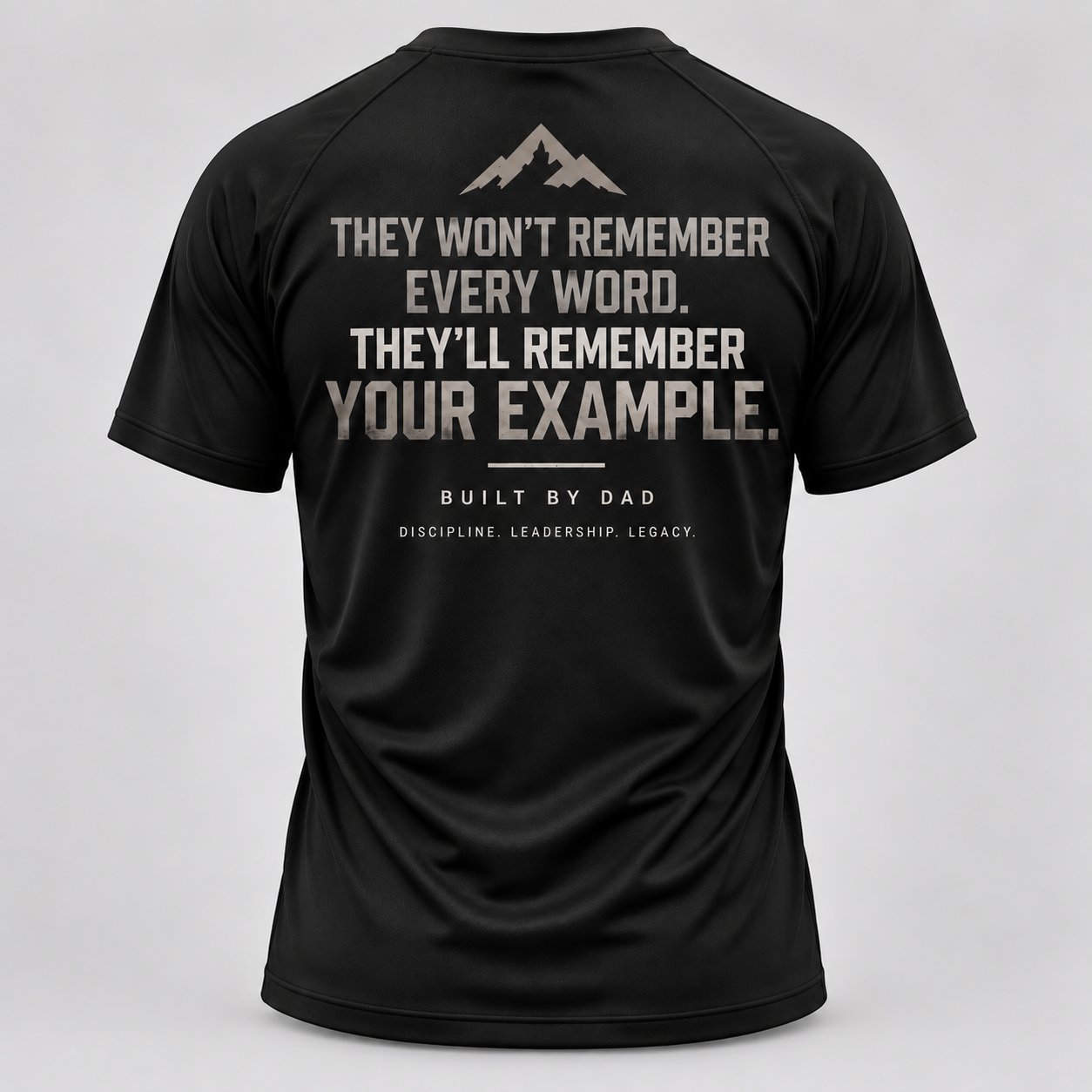
Keep the fit clean rather than sloppy. Choose a cut with a defined waist and a leg opening that does not drag on the floor. Heavy fabric looks best when the silhouette is intentional.
Waistband, Leg Opening, Pockets and Construction Details
Small details decide whether a pair lasts. Check these before you buy:
- Waistband: Look for a wide, stretchy band with a drawstring you can tighten and loosen
- Leg opening: Cuffed hems hold their shape and keep the leg snug; straight hems give a looser look
- Pockets: Deep side or hand pockets help with phone and keys
- Stitching: Check seams at the crotch and waist, since these take the most strain
Watch out: heavy fleece can pill over time, so read care instructions and wash cold with like items.
Pick Your Next Pair and Start Wearing Them Right
Start with the fabric weight, pick a knit that fits your climate, and choose a silhouette that suits how you move. Measure carefully and check the waistband and cuffs before you commit.
When you are ready, you can browse the Built By Dad Heavyweight Sweatpants to see the fabric, fit, and logo details for yourself. Built By Dad describes them as designed for training, recovery, coaching, travel, and everyday wear.
Frequently Asked Questions
What are heavyweight sweatpants?
Heavyweight sweatpants are thicker, denser pants usually made from heavier knit fabric, often cotton fleece or French terry. The extra fabric weight gives them a substantial feel, more warmth and better structure than lightweight joggers. They suit cooler weather, lounging, coaching on the sideline and everyday wear. Check the fabric weight and construction on the product listing rather than relying on the word heavyweight alone, since brands use the term differently.
What GSM is considered heavyweight for sweatpants?
GSM stands for grams per square meter and measures how much fabric a piece contains. Thicker sweatpants generally carry higher GSM numbers. Because brands do not share one standard for the term heavyweight, compare the GSM figures on the listings you are considering and choose the weight that matches how and where you will wear them.
How should heavyweight sweatpants fit?
Start with a fit that lets you move freely without excess bagginess around the seat. Check the rise, the room through the thighs and the leg opening. Many men prefer a tapered leg with more room through the crotch and thighs, though fit is a matter of personal preference. Measure your waist and hips, compare them to the brand's size chart, and consider how the fabric will feel after several washes, since heavier knits can shrink slightly.
Should men over 50 wear sweatpants?
Yes, if they are comfortable, well fitted and suited to the occasion. Heavyweight sweatpants can work well for travel, casual days, coaching and recovery sessions. Choose a clean fit that does not look sloppy, pick neutral colors that match your wardrobe, and pair them with a supportive top. Style is about how the pants fit your body and your daily life, not your age.
