
Last Updated: November 6, 2026
Quick Summary
To layer workout clothes for outdoor training, use three layers: a fitted moisture-wicking base layer, a light fleece or insulated mid layer, and a wind-resistant outer shell you can open or remove as you warm up. Start with less than you think you need, since you will heat up within the first mile.
- Base layer moves sweat away from your skin and should be fitted or lightly fitted.
- Avoid cotton as your base layer because wet cotton can leave you chilled once you slow down.
- Mid layers trap heat; lighter fleece suits mild days and heavier fleece suits deep cold.
- Dress for minute ten through the end of your session, not for the first five minutes.
- For high-effort sessions near freezing, expect to unzip or remove the shell within the first two miles.
Table of Contents
- Why Layering Beats One Heavy Jacket for Training
- Choosing the Right Base Layer
- Mid Layers and Outer Shells: Adding Warmth Without Bulk
- What to Wear for Winter Training
- Cold Weather Workout Clothes That Hold Up Outdoors
- Building a Workout Capsule Wardrobe for Every Season
- Your Next Step: Test Your Layers on Your Next Outdoor Session
- Frequently Asked Questions
Why Layering Beats One Heavy Jacket for Training
Training outdoors in cold weather is tricky, and choosing the right layer workout clothes makes a real difference. Start too warm and you sweat through your shirt within ten minutes. Start too cold and you spend the first mile shivering. One heavy jacket rarely solves this, because it cannot adjust as your body heats up.
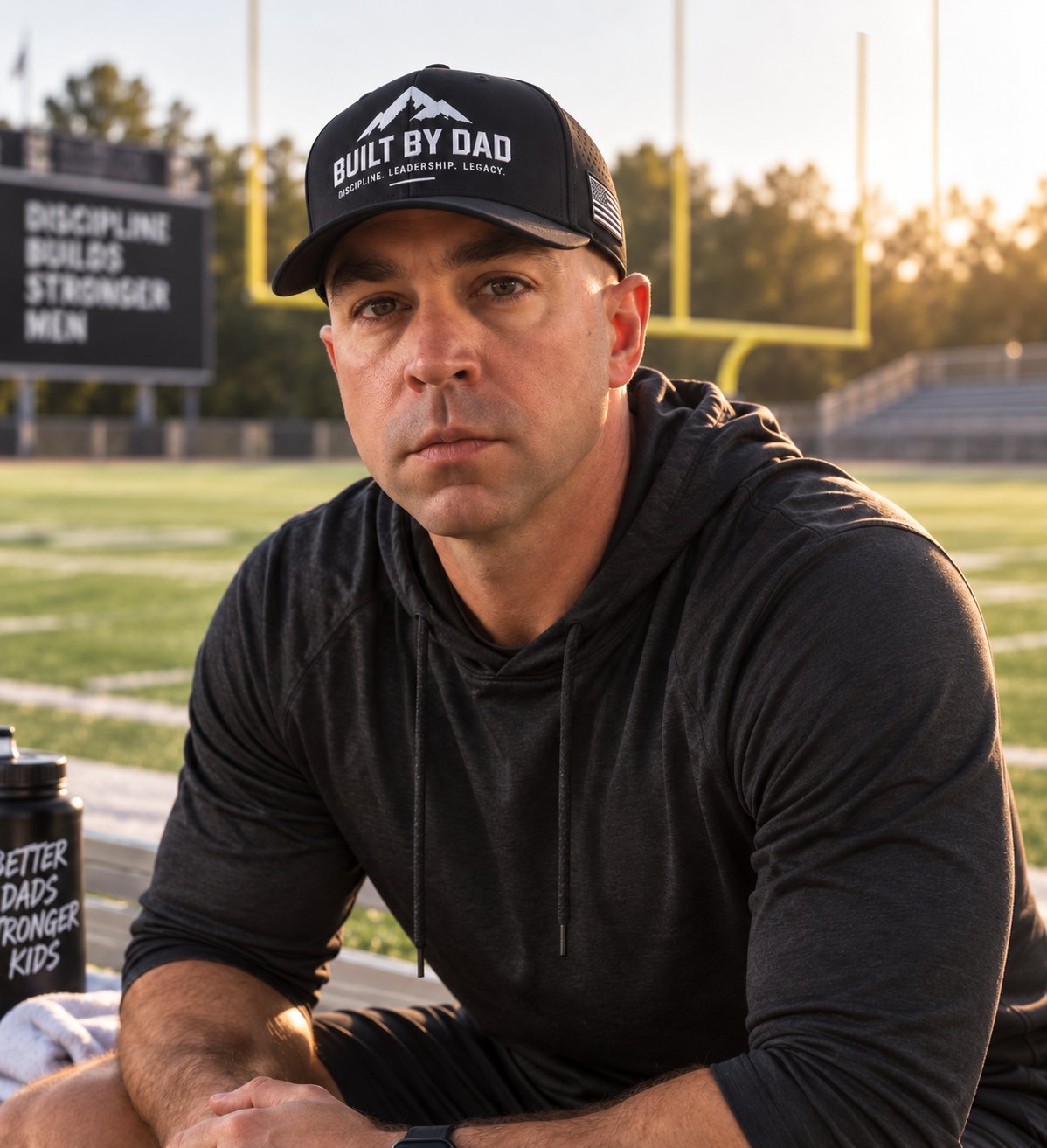
That is why layering works better. Three simple layers you can add or remove as conditions change work well. Each layer has one job, and together they keep you comfortable from your first rep to your last.
- Base layer: Moves sweat away from your skin
- Mid layer: Holds in heat
- Outer layer: Blocks wind and light rain
Layering also gives you control. Unzip, pull off a layer, or put one back on when you feel the change. A bulky jacket leaves you stuck with one setting for the whole session.
Watch out: Avoid cotton as your base layer. It holds sweat against your skin, and that wet feeling can leave you chilled once you stop moving.
Choosing the Right Base Layer
The base layer sits closest to your body, so it matters most for comfort. Look for a breathable, moisture-wicking shirt that pulls sweat off your skin and dries fast. A fitted or lightly fitted cut works well because loose fabric can bunch up under your other layers.
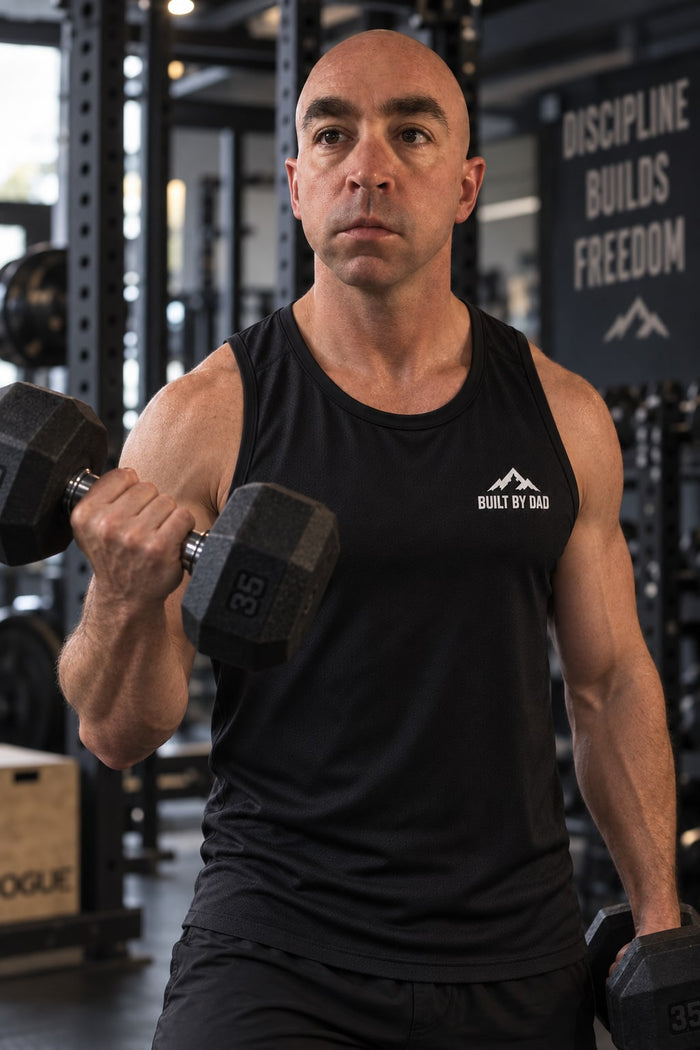
Our Performance Tee is a moisture-wicking shirt made for training and yard work, so it can serve as a next-to-skin piece among your layer workout clothes on cool mornings. You can see our full range of training shirts to compare fabrics and fit before you decide.
For short sessions above freezing, a base layer may be all you need. Below that, pair it with a mid layer.
Here is a quick comparison of the three layers covered in this article and what each one is for.
| Layer | Job | Note |
|---|---|---|
| Base layer | Moves sweat away from your skin | Fitted or lightly fitted cut |
| Mid layer | Holds in heat | Lighter fleece for mild days, heavier for deep cold |
| Outer layer | Blocks wind and light rain | Zip and unzip quickly as you adjust |
Mid Layers and Outer Shells: Adding Warmth Without Bulk
The mid layer does the heavy lifting for warmth. A fleece or light insulated top traps heat close to your body without adding much weight. Fleece weight matters here. Lighter fleece suits mild days, while heavier fleece handles deep cold but can feel hot once you warm up.
Think about fit too. A mid layer should be roomy enough to fit over your base layer without restricting your arms. If you have to force your arms into it, it will feel tight once you start moving.
The outer shell comes last. A wind-resistant jacket blocks cold air and light rain, which is what usually makes winter workouts miserable. Choose one you can zip and unzip quickly, since you will be adjusting it often. Our guide to choosing a durable fleece hoodie for dads covers fabric weights and fit in more detail if you are shopping for a mid layer.
What to Wear for Winter Training
Winter training is not one uniform. What you wear depends on three variables: how hard you are working, how cold it actually is, and how long you will be outside. A dad coaching a youth practice stands still for an hour; a dad running intervals is moving hard. They need different setups.
Use this as a starting framework, then adjust based on how you feel after ten minutes.
For high-effort sessions (running, intervals, hill work) in temperatures near freezing:
- Base: Moisture-wicking short-sleeve or long-sleeve shirt, fitted
- Mid: Light fleece or quarter-zip, easy to remove
- Outer: Wind-resistant shell you can unzip or tie around your waist
- Bottoms: Training pants or joggers that let you move freely
Start with all three layers. Within the first mile, you will likely unzip the shell. By the second mile, you may pull it off entirely. That is normal and expected. The goal is to avoid soaking your base layer with sweat that then chills you when you slow down.
For moderate-effort sessions (hiking, yard work, coaching) in the same temperatures:
- Base: Moisture-wicking long-sleeve shirt
- Mid: Warmer fleece or insulated top
- Outer: Wind-resistant shell, worn open if you are moving steadily
- Bottoms: Insulated training pants or heavyweight sweatpants
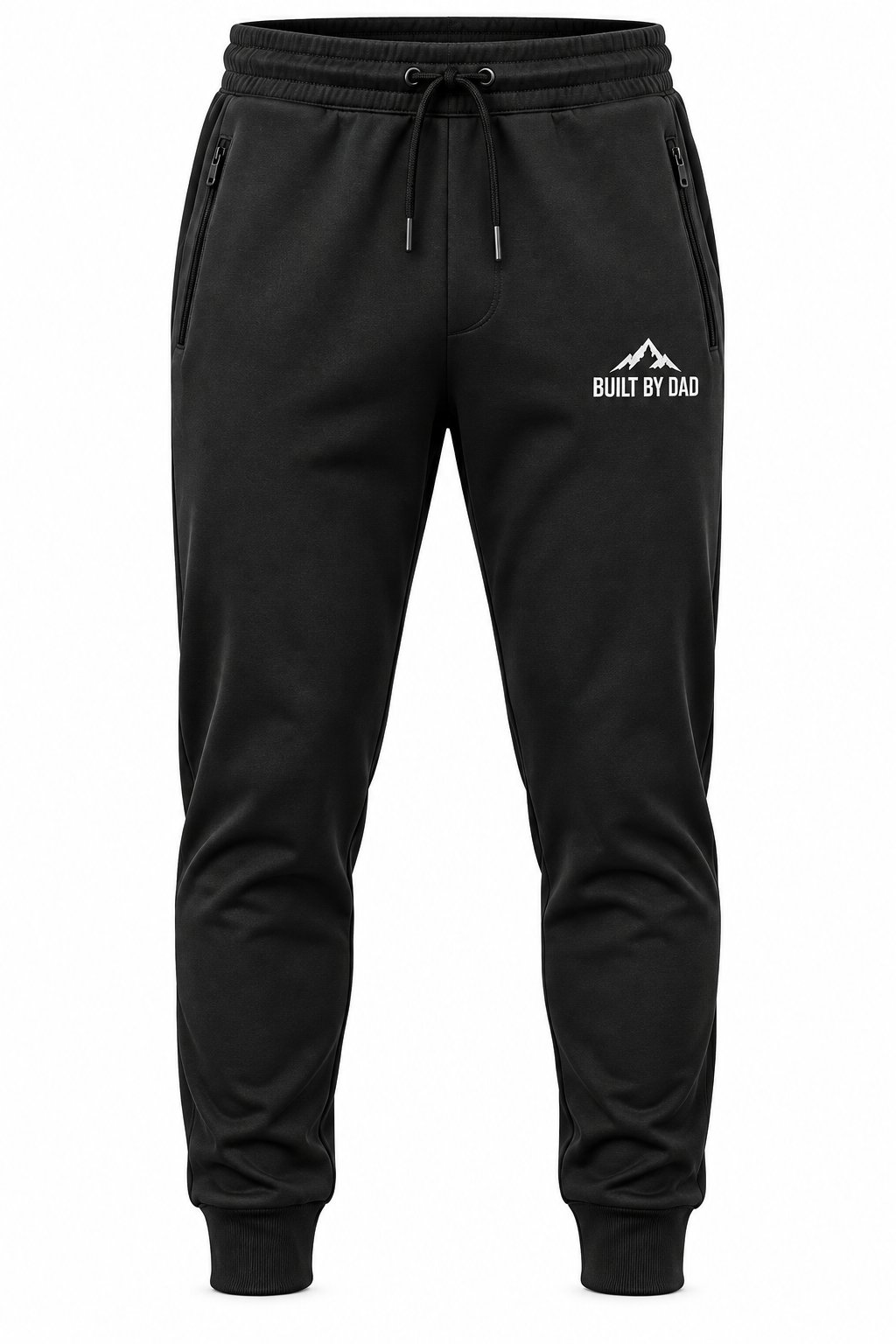
Because you are not generating as much heat, you can wear a warmer mid layer and keep the shell on longer. Our Heavyweight Sweatpants are designed for training, recovery, coaching, and everyday wear.
For cold and wet conditions:
Add a water-resistant outer shell instead of a wind-only shell. Keep the same base and mid layers underneath. Avoid cotton anywhere in the system, because once it gets wet it stays wet and pulls heat away from your body.
Watch out: Do not dress for the first five minutes. Dress for minute ten through the end of the session. If you feel slightly cool when you step outside, you are probably dressed correctly. If you feel warm and cozy at the start, you will likely be sweating within ten minutes.
A simple rule many experienced outdoor trainers use: if the temperature is above 40°F, you can usually drop the mid layer for high-effort work and rely on base plus shell. Below 30°F, keep all three layers and consider a warmer mid. Between those ranges, experiment and take notes.
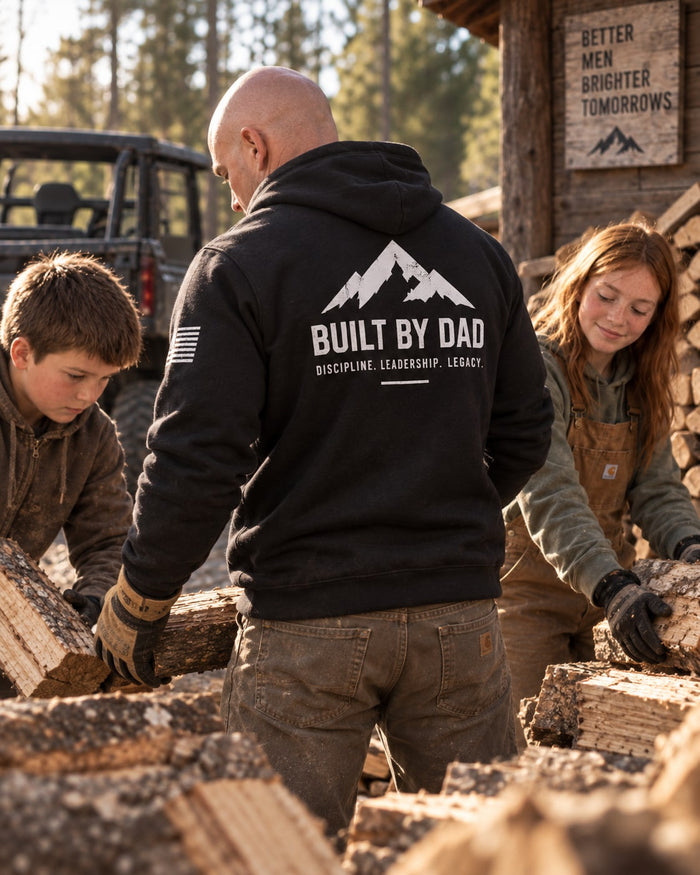
Our Built by Dad Hoodie is a heavyweight hooded sweatshirt for cool workshop mornings and weekend trails.
Cold Weather Workout Clothes That Hold Up Outdoors
Cold weather clothing takes a beating. Wind, rain, sweat, and frequent washing all wear it down. Look for stitching that holds, fabric that keeps its shape, and a fit that stays put.
Most training clothes last longer with simple care. Wash in cold water, avoid high heat in the dryer, and skip fabric softener, which can reduce moisture-wicking over time.
If you train outdoors often, rotate between two or three base layers so each one can dry fully between sessions.
Building a Workout Capsule Wardrobe for Every Season
Most capsule wardrobe advice gives you a number and stops there. But the right number depends on how often you train, how often you do laundry, and what you actually do. A dad who trains three times a week and does laundry on Sundays needs a different setup than a dad who coaches four nights a week and squeezes in laundry whenever he can.
Here is a practical way to build your own capsule instead of copying someone else's list.
Step 1: Count your weekly training sessions.
Write down how many times you realistically train in a typical week. Be honest. If you train three times, you need at least three base layers per week. If you coach two practices and run twice, that is four sessions.
Step 2: Add a laundry buffer.
Most busy dads do not do laundry every day. Add two extra base layers to cover the gap between laundry days. So three sessions per week becomes five base layers. Four sessions becomes six. This buffer is what keeps you from skipping a workout because everything is dirty.
Step 3: Match mid layers and shells to seasons, not sessions.
You do not need one mid layer per session. You need one lightweight mid layer for mild days and one warmer mid layer for cold days. One wind-resistant shell covers most conditions. If you train in wet climates, add one water-resistant shell.
Step 4: Choose bottoms based on activity.
Two pairs of training bottoms cover most needs: one pair of joggers or training pants for movement, and one pair of shorts for warmer days or indoor work. If you train outdoors in deep cold, add one pair of insulated pants or heavyweight sweatpants.
A sample capsule for a dad training three times per week:
- Five moisture-wicking base layers (three for sessions, two for laundry buffer)
- One lightweight mid layer
- One warmer mid layer
- One wind-resistant shell
- Two pairs of training bottoms
- One pair of shorts
A sample capsule for a dad training five or more times per week:
- Seven to eight moisture-wicking base layers
- Two lightweight mid layers
- Two warmer mid layers
- One wind-resistant shell
- One water-resistant shell
- Three pairs of training bottoms
- Two pairs of shorts
These are starting points, not rules. Adjust based on your climate, your laundry routine, and what you actually reach for.
Watch out: Do not buy a full capsule at once. Start with the base layers and one mid layer. Add pieces as you notice gaps in your rotation. Most dads find they need fewer pieces than they expected once they stop buying duplicates of the same item.
Our Built by Dad Hoodie fits into this kind of rotation as a heavyweight outer layer for cool workshop mornings and weekend trails, or as a casual mid layer when the temperature drops. You can see our full range of training shirts to compare fabrics and fit before you decide on base layers.
Your Next Step: Test Your Layers on Your Next Outdoor Session
Layering is easiest to learn by doing. On your next cold session, start with one layer fewer than you think you need. Check how you feel after ten minutes. If you are cold, add a layer. If you are sweating, take one off.
Keep notes on what works, and adjust for the temperature, wind, and your activity. After a few sessions, you will know your ideal combination.
Build the habit. Show your kids what it looks like to plan ahead, dress for the conditions, and keep going when it is cold. That is how you lead by example.
Frequently Asked Questions
What should you wear as a base layer for a workout?
Choose a close-fitting, moisture-wicking layer made from synthetic blends or merino wool. Its job is to pull sweat away from your skin so you stay dry. Avoid cotton as a base layer, because it holds moisture and makes you cold once you slow down or stop. A performance tee or a fitted long-sleeve top works well for most training, and it pairs easily with a fleece or hoodie over it when temperatures drop.
How many layers should you wear for outdoor training?
Most outdoor training works best with three layers: a base layer, a mid layer for insulation, and an outer shell for wind and rain protection. On milder days you can drop the shell or the mid layer. The right count depends on your activity and the conditions, so start with fewer layers than you think you need, since you will warm up quickly once you get moving.
How do you avoid overheating during an outdoor workout?
Dress as if it is about 10 degrees warmer than the thermometer says, then unzip, roll up sleeves, or remove a layer as soon as you start sweating. Carry your mid layer or shell in a small pack or tie it around your waist so you can add or remove it without stopping. Overheating usually comes from keeping every layer on for the whole session.
How should workout clothes fit when layered?
Each layer should fit close enough to do its job, with room to move. Base layers should be snug, mid layers can be slightly looser, and shells should fit over both without restricting your arms or shoulders. If the outer layer pulls tight when you raise your arms, go up a size or choose a relaxed-fit option so you can train without restriction.
